services banner
Acne Facial

Acne Facial

$ 89.00

High Frequency is a popular skin treatment commonly used in facials, especially for acne-prone or congested skin. It's a technique that uses a high-frequency electrical current to treat various skin concerns. Here’s how it works and what it does:


How high frequency works

A high-frequency device uses a glass electrode that is either directly placed on the skin or held just above the surface. The electrical current flows through the electrode, creating a slight thermal (heat) effect on the skin.

The treatment typically uses an argon gas-filled electrode (which produces a violet light and is great for acne). The treatment is usually done in a series of gentle pulses that can be felt as a mild tingling sensation on the skin.


Benefits of high frequency for acne

Kills acne-causing bacteria
The high-frequency current helps to eliminate bacteria beneath the skin’s surface, which can lead to acne and breakouts. It’s effective in reducing the bacteria responsible for pustules and cystic acne.

Reduces inflammation
The electrical pulses promote circulation, which helps reduce swelling and inflammation associated with acne.

Improves healing
High-frequency treatments can speed up the skin's healing process, so it’s great for treating acne lesions, scarring, or active breakouts.

Increases circulation
The electrical current promotes blood flow and oxygen to the skin cells, helping with faster cell turnover and healthy skin regeneration.

Prevents future breakouts
By sterilizing the skin and helping control excess oil production, high frequency can prevent new breakouts from forming.


Treatment steps

1. Cleansing
The first step is a thorough cleansing of the skin to remove dirt, oil, makeup, and impurities. This prepares the skin for the rest of the treatment.

2. Exfoliation
Exfoliating the skin helps to remove dead skin cells, which can clog pores and contribute to acne. This is typically done with a chemical exfoliant (like salicylic acid) or a gentle physical exfoliant.

3. Steam
A steam treatment may be applied to open up the pores, making it easier to extract any dirt, oil, or blackheads that could be contributing to acne. The heat also helps relax the skin.

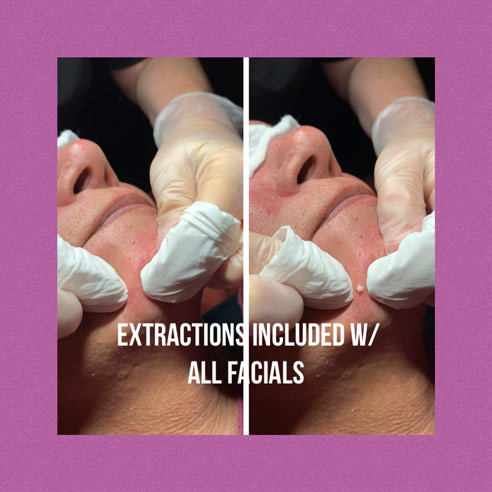
4. Extractions
If necessary, the esthetician will perform extractions to manually remove clogged pores or whiteheads. This step can be uncomfortable but is effective in clearing up the skin.

5. High frequency
High Frequency is a popular skin treatment commonly used in facials, especially for acne-prone or congested skin.

A high-frequency device uses a glass electrode that is either directly placed on the skin or held just above the surface. The electrical current flows through the electrode, creating a slight thermal (heat) effect on the skin.

The treatment typically uses an argon gas-filled electrode (which produces a violet light and is great for acne). The treatment is usually done in a series of gentle pulses that can be felt as a mild tingling sensation on the skin.


It’s important to note that while acne facials can be very beneficial, they work best when combined with a consistent skincare routine tailored to your skin type and needs.

Request Appointment
Cold Plasma for Acne

Cold Plasma for Acne

$ 159.00

$159 45 min, or add on to a facial service for $75


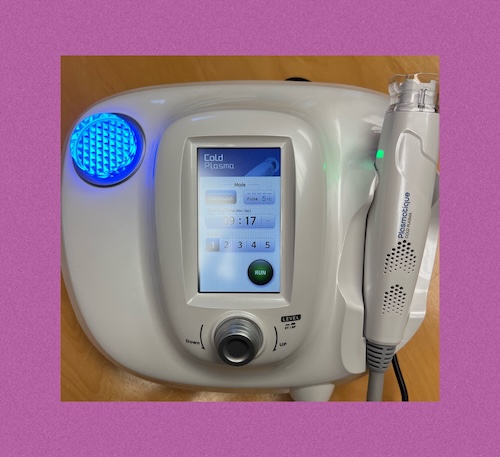
Cold plasma is a newer, non-invasive treatment being used in dermatology and medical spas for acne management. It uses ionized gas (plasma energy) at a low temperature to interact with the skin surface.


How cold plasma helps with acne

Kills acne-causing bacteria
The plasma releases reactive oxygen and nitrogen species that destroy Cutibacterium acnes (the bacteria linked to breakouts).

Reduces oil (sebum) production
Helps regulate overactive sebaceous glands, a major contributor to acne.

Decreases inflammation
Calms redness, swelling, and irritation in active breakouts.

Improves skin healing
Stimulates blood flow and cell regeneration, which supports recovery from acne and prevents scarring.

Enhances product penetration
Temporarily increases skin permeability so serums (like hyaluronic acid, vitamin C, or CBD) absorb more effectively.


Treatment experience

Feels like a gentle tingling or warmth (no downtime like with lasers).

Each session takes about 15–30 minutes.

Skin may look slightly pink right after but usually calms within hours.

Recommended in a series of treatments for best results (e.g., weekly or biweekly for a few sessions).


Best for

Active breakouts (especially when inflamed).

Oily, congested skin.

Acne-prone skin that’s sensitive to harsh chemicals or medications.


Safety notes

Considered safe and non-invasive.

Should be avoided if you have open wounds, severe skin infections, or are pregnant (safety data is limited).

Works best as part of a combined acne program (with good home care, LED, peels, or microneedling for scars later).


In short: Cold plasma is especially effective at targeting active acne and oil control, while also calming inflammation — and it pairs well with other treatments like LED and microneedling (once breakouts are controlled).

Request Appointment
Acne treatment w microneedle CBD and blue LED

Acne treatment w microneedle CBD and blue LED

$ 199.00

$199 (90 min)


Step 1: Cleansing

Cleansing
Steaming
Extractions


Step 2: Microneedling

Creates controlled micro-channels in the skin.

Stimulates collagen and elastin for scar repair.

Enhances penetration of topical actives like CBD serums.

Best for acne scars and post-acne texture, not during active cystic breakouts.


Step 3: CBD (Cannabidiol)

Anti-inflammatory – can calm redness and irritation.

Sebum regulation – studies suggest CBD may help balance oil production.

Antioxidant effect – protects against skin stress that worsens acne.

Applied immediately after microneedling, CBD can penetrate deeper and potentially enhance calming/repair effects.


Step 4: LED Light Therapy

Blue light (415 nm): Kills Cutibacterium acnes bacteria (one of the main acne triggers).

Red light (630–660 nm): Reduces inflammation, stimulates healing, and supports collagen remodeling.

Using LED after microneedling is common since the skin is more receptive, but the light itself also soothes post-treatment inflammation.


Combined benefits

Acne reduction: Blue light + CBD can reduce bacteria and calm flare-ups.

Scar + texture improvement: Microneedling + red light supports collagen remodeling.

Less downtime: CBD + red light help decrease post-needling redness and swelling.


Considerations

Avoid microneedling directly over active, inflamed acne pustules/cysts — better to clear those first, then target scars.

Use medical-grade LED devices (clinic-based are much stronger than home versions).

Professional supervision is safest when combining all three, since timing, wavelength, and depth matter for results.

Request Appointment
Classic Microneedling for Moderate Acne

Classic Microneedling for Moderate Acne

$ 159.00

$159 each or a series of 3 treatments for $400


Microneedling for acne is a skin treatment that uses a device with fine, sterile needles to create controlled micro-injuries in the skin. Here’s how it helps with acne and acne scars:


How it works

Stimulates healing – The tiny punctures trigger your skin’s natural repair process, boosting collagen and elastin production.

Reduces scarring – Helps smooth out pitted or uneven texture from old acne scars.

Improves absorption – Makes it easier for topical treatments (like serums or medications) to penetrate deeper.

Regulates oil & pores – Can help balance sebum production and minimize enlarged pores, which may reduce future breakouts.


What it’s good for

Atrophic acne scars (boxcar, icepick, rolling scars).

Hyperpigmentation left behind by acne.

Skin texture issues.


It’s not usually done on inflamed acne, since the needles can spread bacteria and worsen breakouts. Instead, dermatologists often recommend treating active acne first, then using microneedling for the scars and discoloration it leaves behind.


Treatment process

Usually performed in a dermatologist’s office or medical spa.

Numbing cream is applied for comfort.

Skin may be red and feel like a sunburn for 1–3 days afterward.

Best results come with a series of sessions (typically 3–6, spaced 4–6 weeks apart).


Safety notes

Professional treatments are safer and more effective than at-home rollers.

Not recommended if you have active infections, severe acne flare-ups, or certain skin conditions (eczema, psoriasis, rosacea).

Request Appointment