




Service Categories
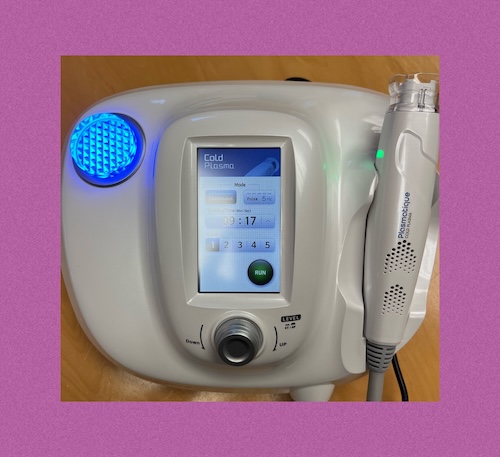
Cold Plasma for Acne
$ 175.00
$75 add-on to your facial service
Cold atmospheric plasma (CAP) generates ionized gas at room temperature, releasing reactive oxygen and nitrogen species (RONS) to treat skin conditions non-invasively without thermal damage.
Key Mechanisms for Acne Treatment
Antibacterial Action: RONS disrupt the cell membranes and DNA of Cutibacterium acnes, eradicating bacteria without causing antibiotic resistance.
Sebum Control: Regulates hyperactive sebaceous glands to suppress excess oil production.
Anti-Inflammatory Effects: Downregulates inflammatory cytokines, rapidly reducing redness, papules, and swelling.
Enhanced Absorption: Temporarily opens micro-channels in the skin's lipid barrier, increasing topical product penetration (serums, active ingredients).
Tissue Regeneration: Accelerates cellular turnover and microcirculation, aiding healing and lowering post-inflammatory hyperpigmentation (PIH) risk.
Treatment Profile
| Feature | Details |
| Sensation | Mild tingling or subtle warmth |
| Session Length | 15 to 30 minutes, with the machine |
| Downtime | None (slight transient erythema resolving in hours) |
| Protocol | Series of 4–8 weekly or biweekly sessions |
| Ideal Candidates | Inflammatory acne, congested/oily skin, chemical-sensitive skin |
| Contraindications | Open lesions, severe infections, active pregnancy, pacemakers |
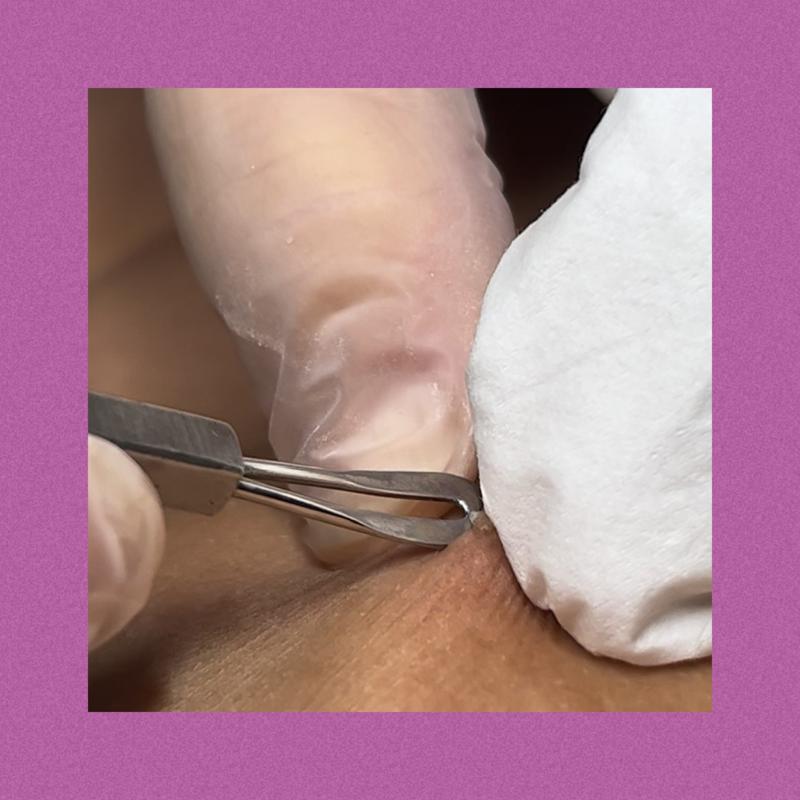
Acne Treatment
$ 89.00
This is a treatment specifically for teen acne sufferers.
An acne facial enhanced with Cold Atmospheric Plasma (CAP) addresses active breakouts by combining physical pore clearing with non-thermal, antibacterial gas ionization.
Step-by-Step Clinical Workflow
Deep Cleansing: Utilizes a medicated salicylic or glycolic acid cleanser to dissolve surface sebum and debris without stripping the epidermal barrier.
Chemical or Ultrasonic Exfoliation: Employs gentle AHA/BHA solutions or ultrasonic vibrations to unbind dead skin cells and soften follicular plugs, avoiding abrasive physical scrubs.
Sterile Extractions: Manually clears non-inflammatory comedones (blackheads and whiteheads) under sterile conditions to relieve pore congestion.
Cold Plasma Therapy: Delivers reactive oxygen and nitrogen species (RONS) to destroy C. acnes cell membranes, calm inflammatory cytokines, balance oil output, and increase skin permeability up to 60-fold.
Finishing Barrier Protection: Applies lightweight, non-comedogenic hydration and broad-spectrum sunscreen to seal the skin and prevent post-inflammatory hyperpigmentation (PIH).
Cold Plasma vs. Traditional High Frequency for Active Acne
| Feature | Cold Atmospheric Plasma (CAP) | Traditional High Frequency |
| Mechanism | Ionized gas generating target-specific RONS | Electrical current generating localized ozone gas ($O_3$) |
| Bacterial Reduction | High (slashes bacterial load by ~40% in 2 minutes) | Moderate (surface-level antibacterial effect) |
| Permeability Boost | Opens lipid channels to boost active absorption by up to 60x | Minimal transdermal delivery boost |
| Tissue Heating | Non-thermal (room temperature; safe for sensitive skin) | Mild thermal warming of surface tissue |
Treatment Schedule
Active Breakout Phase: Perform every 2 to 3 weeks until inflammatory lesions clear.
Maintenance Phase: Transition to monthly sessions to maintain clear pores and prevent recurrent congestion.
40% in 2 minutes)Moderate (surface-level antibacterial effect)Permeability BoostOpens lipid channels to boost active absorption by up to 60xMinimal transdermal delivery boostTissue HeatingNon-thermal (room temperature; safe for sensitive skin)Mild thermal warming of surface tissueTreatment ScheduleActive Breakout Phase: Perform every 2 to 3 weeks until inflammatory lesions clear.Maintenance Phase: Transition to monthly sessions to maintain clear pores and prevent recurrent congestion.
Request Appointment for Acne Treatment